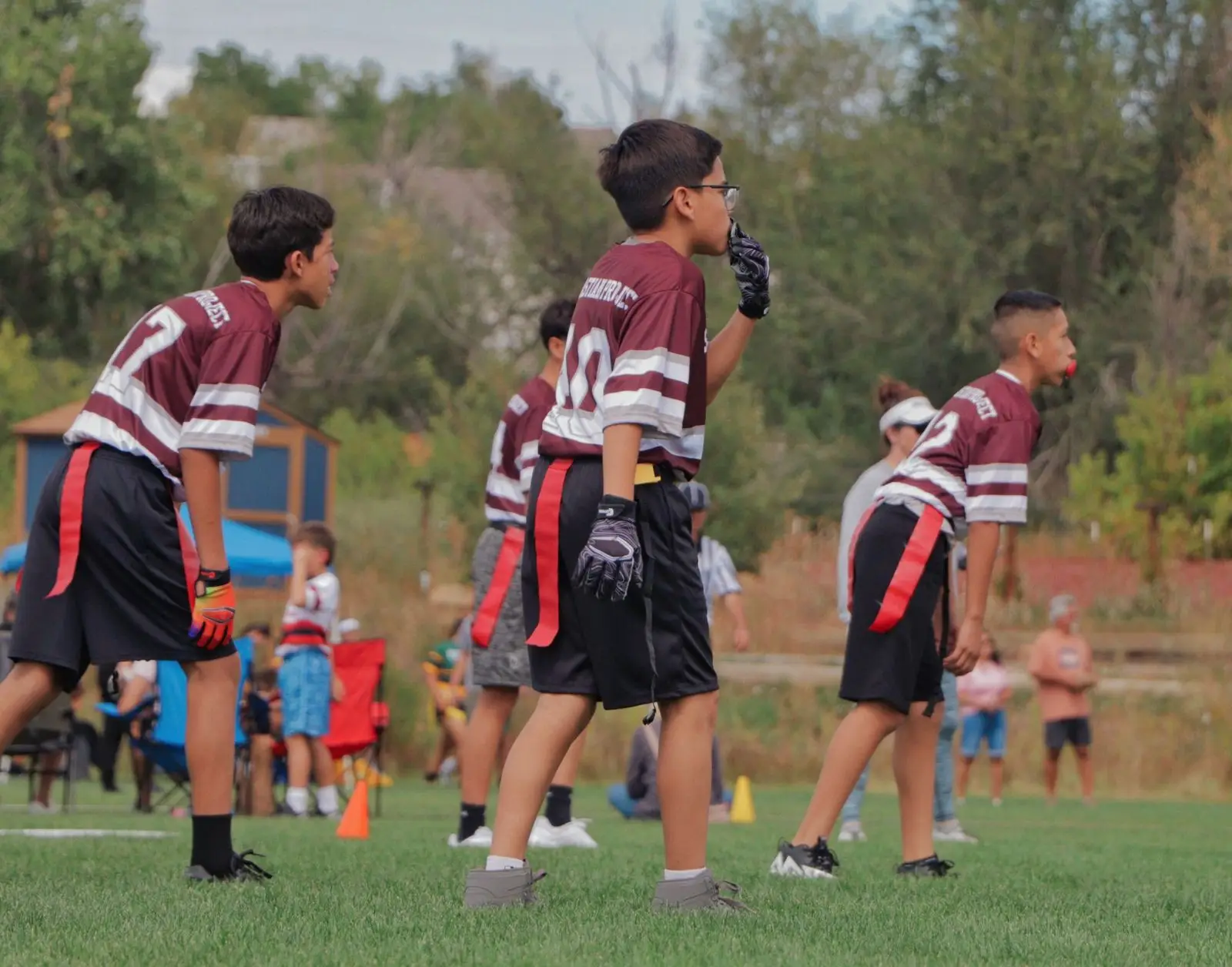
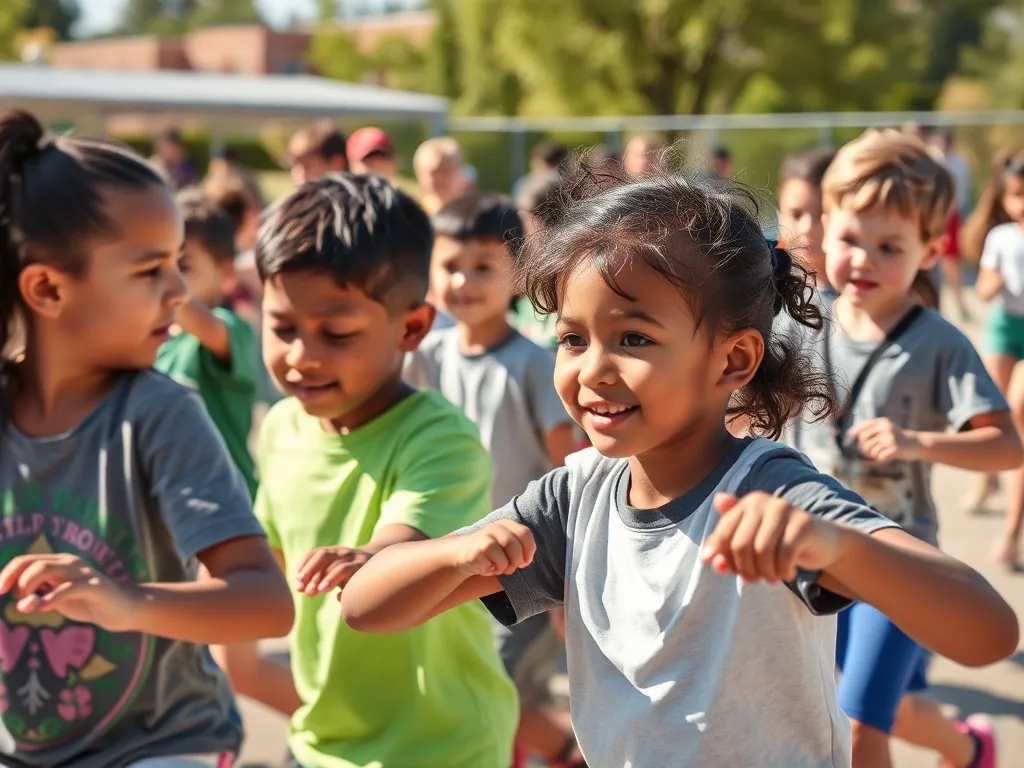
The Power of Movement extends far beyond physical health; regular physical activity supercharges the brain. When students move, they think better, feel better, and learn better.
In classrooms across the country, educators are facing a common challenge: how to keep students engaged, focused, and ready to learn. While curriculum design and technology play their roles, there’s one simple, research-backed solution that often gets overlooked—movement.
Here are six compelling ways movement strengthens young minds and helps teachers create more engaging, productive learning environments.
1. Movement Boosts Focus and Attention
Physical activity increases blood flow to the brain, improving concentration and mental clarity. Even just a few minutes of movement can reset a student’s ability to focus. A fifth-grade teacher in Chicago introduced short morning dance breaks into her routine and saw immediate results. Students were more alert and needed fewer reminders to stay on task. These short, energetic resets became a favorite part of the day and helped set the tone for smoother transitions and more engaged learning.
2. Active Kids Are Better Problem Solvers
Cognitive development is directly influenced by movement. When students are physically active, their executive functions—like working memory, cognitive flexibility, and self-control—become sharper. These are essential for solving problems and organizing tasks. At a middle school in North Carolina, a math teacher designed a lesson that combined short relays with solving equations. The result? Students were more motivated, participated eagerly, and performed better on assessments than they had after traditional seated lessons.
3. Physical Activity Supports Emotional Regulation
Fitness doesn’t just fuel the brain academically; it also plays a vital role in social-emotional learning. Movement helps students manage stress, anxiety, and frustration by triggering the release of feel-good endorphins. One K–8 school in Oregon implemented a “movement corner” in every classroom. Students could take short movement breaks when they felt overwhelmed. Teachers reported a decrease in emotional outbursts and an increase in students’ ability to return to tasks calmly and independently.
4. Movement Enhances Memory and Retention
Kinesthetic learning—where students learn through physical activity—has been shown to boost long-term memory and content retention. When movement is integrated into academic lessons, students make deeper brain connections. A second-grade teacher in New York used body gestures to teach vocabulary words. Students acted out each word during the lesson and, as a result, scored higher on vocabulary quizzes. Many shared that “picturing the word in their body” helped them remember definitions and usage more clearly.
5. Physical Activity Builds Classroom Community
When students move together, they connect. Shared physical activities such as team-building games or group challenges create a sense of belonging and strengthen classroom culture. A school in Arizona hosted weekly “Fit Fridays,” where classes competed in friendly fitness challenges. Teachers noticed improved cooperation during group assignments and a more positive tone throughout the week. Students looked forward to the activities and saw them as a reward, reinforcing both social bonds and school spirit.
6. Teachers Benefit, Too
Classroom movement isn’t just good for students—it’s a valuable tool for teachers. Short bursts of physical activity give educators a moment to reset the energy in the room, manage transitions more smoothly, and reduce the need for repeated redirection. An elementary teacher in Ohio introduced three-minute GoNoodle breaks and saw a major difference in behavior. Not only did her students return to tasks more focused, but she also found herself enjoying a brief pause to breathe, regroup, and prepare for the next activity.
Final Thoughts: Movement is More Than Just Recess
Incorporating movement into the school day doesn’t require a major schedule change. Whether it’s brain breaks, active learning strategies, or structured physical education, movement can and should be part of every learning environment. When we prioritize movement in schools, we fuel students’ minds, improve attention, boost memory, and support emotional wellness.
Movement is not a distraction—it’s a learning accelerator.
For Administrators and Curriculum Leaders
Looking to build a more active school culture and leverage the power of movement? Consider adding movement to morning announcements, integrating kinesthetic strategies into professional development, or investing in classroom-ready movement programs.