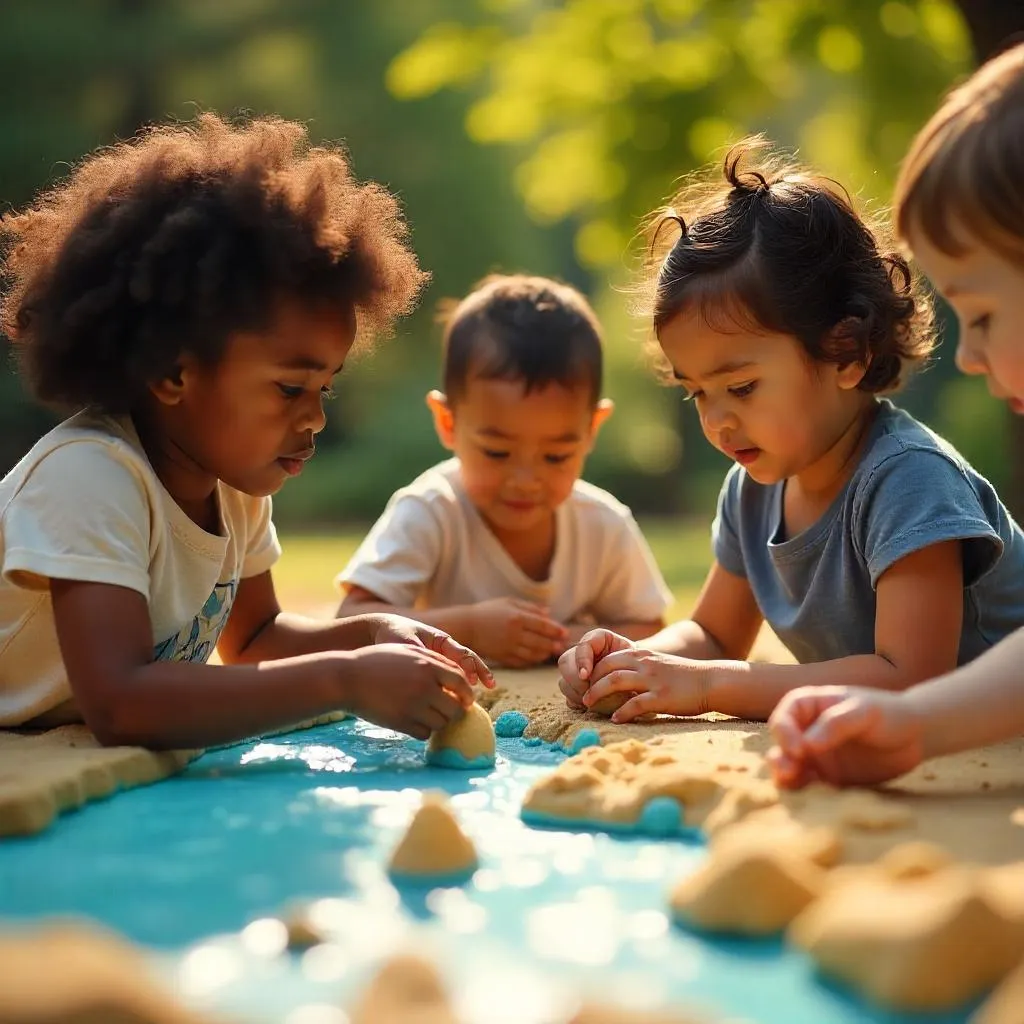
How Early Education Builds Global Problem Solvers Through Play
In classrooms around the world, tiny hands are shaping more than just Play-Doh—they’re shaping the future. What may look like simple play to the untrained eye is, in fact, the foundation for creating global problem solvers. By fostering creative thinking, and developing essential 21st-century skills. As early childhood educators and district leaders seek engaging, inclusive, and globally-minded curriculum options, play-based learning offers a powerful solution. This approach comes with measurable outcomes.
Why Play-Based Learning Matters More Than Ever
Play-based learning isn’t just a trend—it’s a research-backed approach to early education that fosters creativity, critical thinking, and collaboration. In fact, play is one of the most effective ways to build early cognitive and social-emotional skills. But it goes even further. When infused with global themes, play becomes a tool for developing empathy, cultural understanding, and global competence. These are skills students will need in our increasingly interconnected world.
Building Problem Solvers from the Start
From stacking blocks to solving puzzles, early learners are natural-born problem solvers. When educators guide these moments of discovery with intentional questions and culturally diverse materials. Students begin to understand the world beyond their own community. Activities like designing bridges for toy animals or simulating a farmer’s market not only introduce engineering and economics. They also open doors to global perspectives.
Example activity:
A Play-Doh globe-making lesson can help children understand geography while discussing how people around the world live, eat, and play differently—building both fine motor skills and cultural awareness.
A Global Curriculum Starts Early
District leaders are increasingly looking for curriculum that prepares students to thrive in a global workforce. Embedding global themes in early learning doesn’t require an overhaul—it starts with small shifts: reading stories from other cultures, using classroom materials that represent global diversity, or incorporating international music into daily routines.
These simple changes lay the foundation for global citizenship and ensure equity in learning from the start. When young children see themselves—and others—reflected in the classroom, they feel valued, connected, and ready to learn.
Why School Districts Should Prioritize Global Early Learning Now
Across the country, school districts are investing in early education that’s inclusive, culturally responsive, and aligned with future-ready skills. Programs that incorporate global learning from the earliest grades are not only meeting equity goals but also preparing students to navigate complex real-world challenges with confidence.
Tiny Hands, Big Impact: Real Outcomes from Real Classrooms
Educators report that global-themed play increases engagement, curiosity, and empathy in young learners. Whether they’re cooking pretend meals from around the world, exploring climate change through building habitats, or exchanging artwork with partner classrooms across the globe, young children are becoming curious global citizens—through joyful, hands-on learning.
“The Play-Doh volcano was fun, but what made it meaningful was talking about kids in other countries who live near real volcanoes.”
– Kindergarten Teacher, Global Learning Pilot School