The Critical Role of Early Childhood SEL
In an increasingly complex world, equipping young children with robust social-emotional skills is no longer a luxury but a necessity. Social-Emotional Learning (SEL) provides the foundational building blocks for academic success, positive relationships, and lifelong well-being. For early childhood educators and school districts, the challenge lies in implementing effective, engaging, and age-appropriate SEL strategies. This comprehensive article explores how the vibrant world of puppets, the expressive freedom of paint, and the captivating power of storytime offer an unparalleled, “artful” approach to nurturing SEL in the early years. By integrating these creative arts into daily routines and curriculum, educators can foster critical skills such as self-awareness, self-management, social awareness, relationship skills, and responsible decision-making, setting children on a path toward holistic development.
Understanding Social-Emotional Learning (SEL) in Early Childhood
Before delving into the “how,” it’s crucial to grasp the “what” of SEL. The Collaborative for Academic, Social, and Emotional Learning (CASEL) defines SEL as the process through which all young people and adults acquire and apply the knowledge, skills, and attitudes to develop healthy identities, manage emotions and achieve personal and collective goals, feel and show empathy for others, establish and maintain supportive relationships, and make responsible and caring decisions. For our youngest learners (preschool and kindergarten), this translates into:
Self-Awareness: Recognizing one’s own emotions, strengths, and challenges.
Self-Management: Regulating emotions, managing impulses, and setting and achieving goals.
Social Awareness: Understanding and empathizing with others’ perspectives, including those from diverse backgrounds.
Relationship Skills: Building and maintaining healthy relationships, communicating effectively, cooperating, and resolving conflicts constructively.
Responsible Decision-Making: Making constructive choices about personal behavior and social interactions based on ethical considerations, safety concerns, and social norms.
These competencies are not learned in isolation but are deeply interwoven with cognitive and physical development. Early childhood is a prime window for developing these skills, as young brains are highly pliable and receptive to new experiences and learning.
The Power of Puppets: Bringing Emotions and Scenarios to Life
Puppets are more than just toys; they are dynamic tools for fostering SEL. Their inherent ability to captivate children’s attention makes them ideal for exploring sensitive topics in a safe and engaging way.
Emotional Expression and Identification: Puppets can openly express a range of emotions – joy, sadness, anger, fear, frustration. Educators can use puppets to model different feelings, ask children to identify what the puppet is feeling, and discuss why the puppet might be feeling that way. This helps children build their emotional vocabulary and recognize these emotions in themselves and others. For example, a puppet who is sad because a block tower fell can spark conversations about disappointment and how to cope.
Role-Playing Social Scenarios: Puppets excel at acting out common social dilemmas, such as sharing, taking turns, conflict resolution, and exclusion. Children can observe these scenarios unfold without direct personal involvement, making it easier to discuss different solutions and their potential outcomes. Teachers can pause the puppet show and ask, “What should the puppet do next?” or “How do you think the other puppet feels?”
Perspective-Taking and Empathy: When children manipulate puppets themselves, they step into another character’s shoes, promoting empathy. They can experience different perspectives and understand how their actions (or the puppet’s actions) might affect others. This builds crucial social awareness.
Safe Space for Discussion: Puppets can often say things that children might be hesitant to express directly. Children may project their own feelings onto a puppet, making it easier for educators to identify underlying concerns and address them. This creates a non-threatening environment for discussing challenging behaviors or feelings.
Problem-Solving Skills: By presenting puppets with a problem, educators can guide children to brainstorm solutions. “The puppet wants to play with the train, but another puppet already has it. What can the puppet do?” This encourages critical thinking and collaborative problem-solving.
The Expressive Freedom of Paint: Unleashing Emotions and Self-Expression
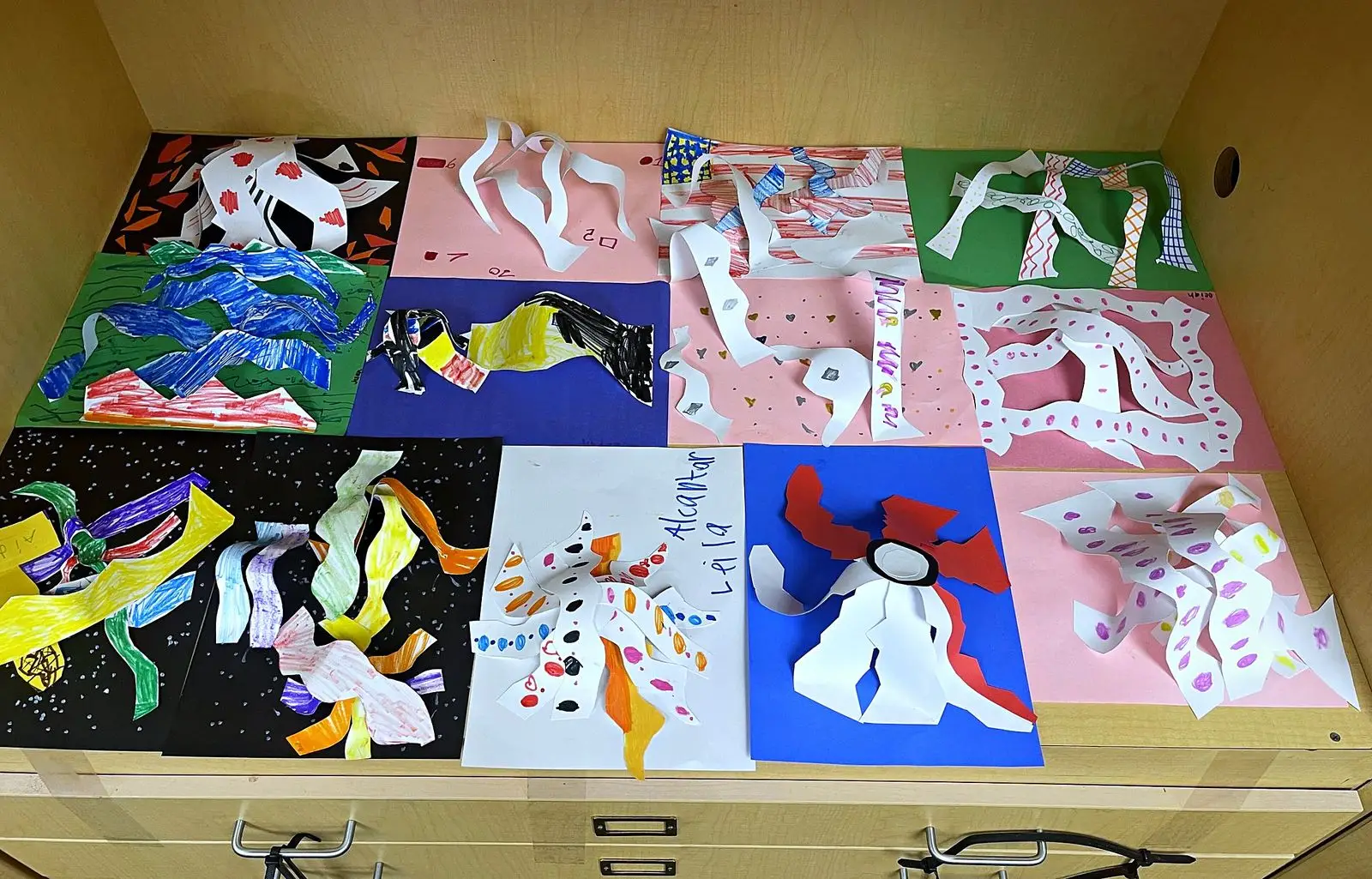
Painting offers a sensory-rich, non-verbal avenue for children to express their inner world, fostering self-awareness and self-management.
Emotional Release and Regulation: The act of painting can be incredibly therapeutic. Children can channel strong emotions – frustration, excitement, joy – onto the canvas. The physical process of mixing colors and making strokes can be calming and help children regulate their feelings. A child who is feeling angry might use bold, dark colors, while a joyful child might opt for bright, swirling hues.
Self-Expression and Identity: Painting allows children to communicate ideas and feelings that they may not yet have the verbal skills to articulate. It’s a powerful medium for self-expression, helping them develop a sense of identity and agency. When children see their unique creations, it boosts their self-esteem and confidence.
Process Over Product: Emphasizing the process of painting rather than a perfect end product is crucial for SEL. This removes pressure and encourages experimentation, resilience, and a willingness to try new things – valuable self-management skills.
Mindfulness and Focus: Engaging with paint requires concentration and focus, promoting mindfulness. Children become engrossed in the colors, textures, and movements, which can be a grounding experience.
Collaboration and Sharing: Group painting projects encourage cooperation, negotiation, and sharing of materials, fostering relationship skills. Children learn to respect each other’s space and ideas while working towards a common goal.
The Captivating Power of Storytime: Building Empathy and Moral Reasoning
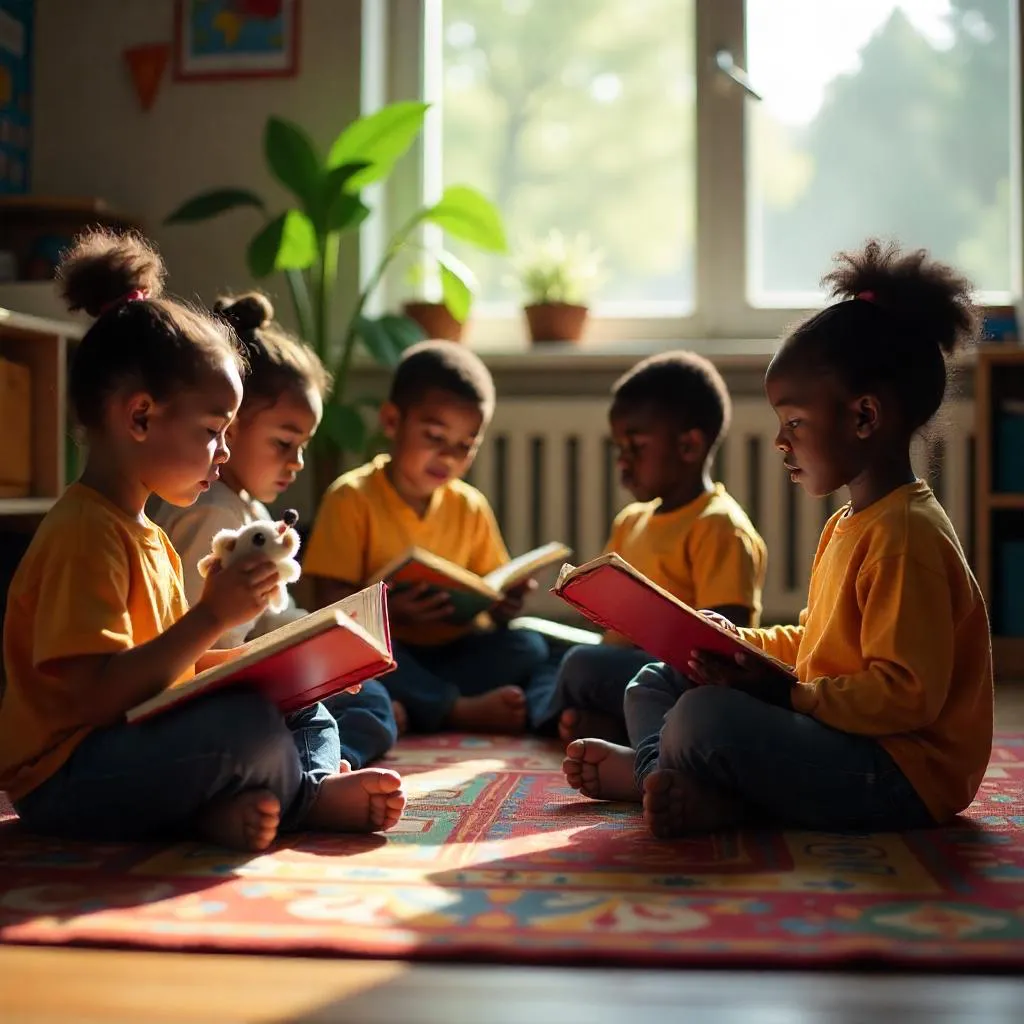
Storytime is a cornerstone of early childhood education, and its benefits for SEL are profound. Stories provide windows into different lives, cultures, and emotional landscapes, nurturing empathy, social awareness, and responsible decision-making.
Developing Empathy and Perspective-Taking: When children listen to stories, they are transported into the characters’ experiences. They learn to understand the characters’ feelings, motivations, and challenges. This vicarious experience builds empathy and helps children understand that others may have different feelings and perspectives.
Exploring Social Situations and Solutions: Picture books often present relatable social dilemmas – a character feeling left out, a conflict between friends, a new experience. Discussing these situations allows children to brainstorm solutions, predict outcomes, and develop their own problem-solving skills.
Building Vocabulary for Emotions and Social Concepts: Stories introduce a rich vocabulary related to feelings, social interactions, and character traits (e.g., kind, brave, shy, frustrated). This expanded vocabulary empowers children to better articulate their own feelings and understand others.
Moral Reasoning and Responsible Decision-Making: Many stories feature characters who face ethical choices. Discussions about “What should the character do?” or “Was that a good choice?” help children develop a sense of right and wrong and understand the consequences of actions.
Promoting Self-Awareness and Identity: Children often connect with characters who share similar experiences or feelings. This can help them feel understood and less alone, fostering a sense of self-awareness and belonging. Stories can also introduce diverse characters, broadening children’s understanding of the world and their place within it.
Strengthening Relationship Skills: Shared storytime experiences, especially when followed by discussion, build a sense of community within the classroom. Children learn to listen actively, take turns sharing ideas, and respect different interpretations.
Painting a Brighter Future with Artful SEL
The early years are a crucial window for shaping a child’s social-emotional landscape. By intentionally integrating the engaging power of puppets, the expressive freedom of paint, and the timeless wisdom of storytime, educators can create rich, developmentally appropriate environments where young children thrive, nurturing social-emotional learning in a profound way. This “artful SEL” approach is not merely about teaching isolated skills; it’s about nurturing the whole child, fostering empathy, resilience, and a deep understanding of self and others. For school districts committed to preparing children for success in school and in life, embracing Puppets, Paint, and Storytime is a vibrant, effective, and joyful path toward a brighter, more emotionally intelligent future.