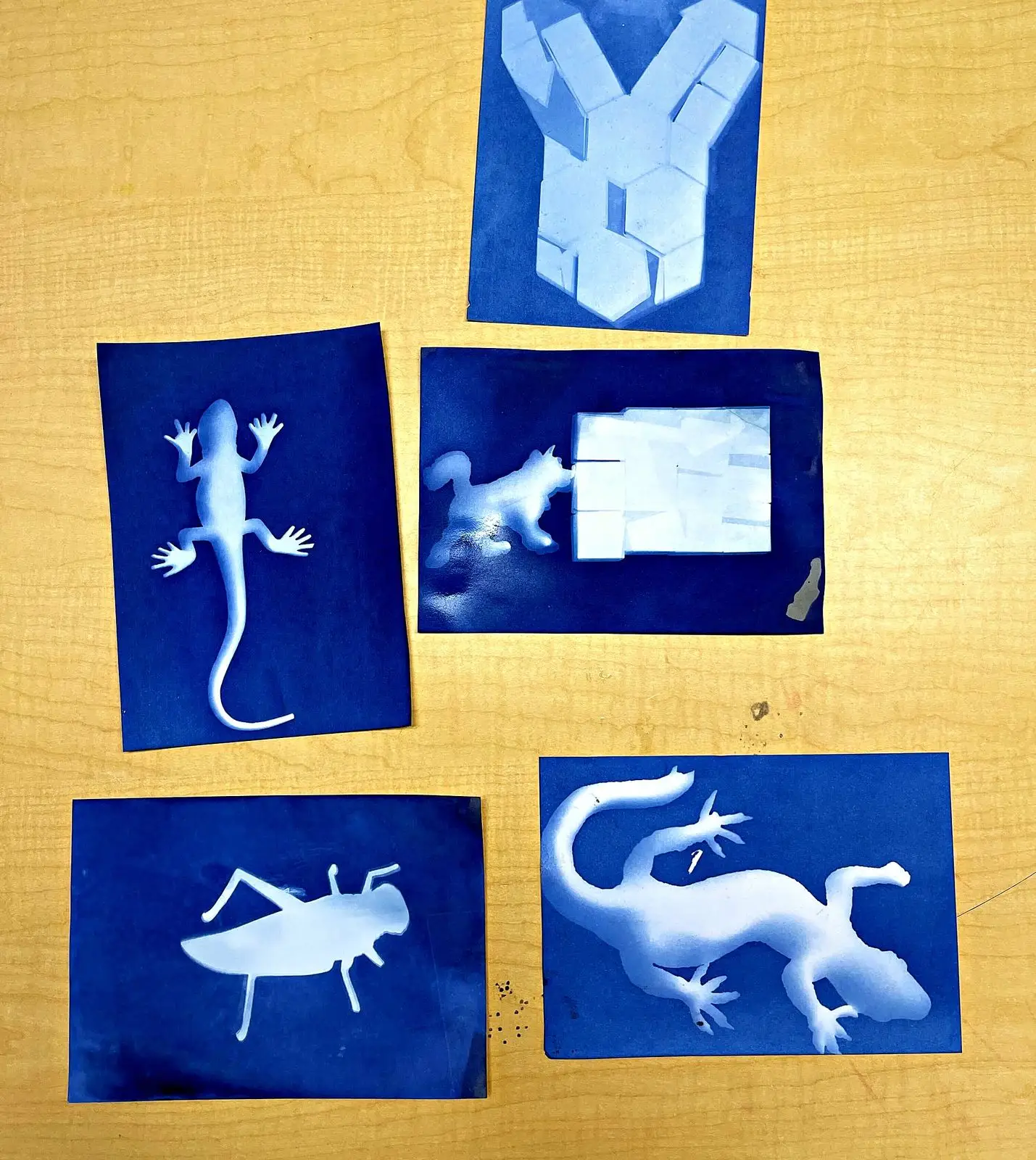
Not all environmental science after-school programs are created equal. Some deliver genuine inquiry-based learning that builds systems thinking, data literacy, and real problem-solving skills. Others amount to a recycling poster project and a walk through the school garden. For parents trying to choose an enrichment program and school leaders evaluating vendor contracts, the difference matters enormously — both for learning outcomes and for how students come to understand the environmental challenges that will define their adult lives. This guide gives you a concrete evaluation rubric so you can tell the difference before you sign anything.
Why Program Quality in Environmental Enrichment Varies So Much
Environmental education is a broad tent. A program can technically call itself environmental science while spending most of its time on loosely themed crafts and feel-good messaging. This happens for a few reasons: the field lacks uniform curriculum standards, vendors face pressure to keep programming low-cost and logistically simple, and many schools — especially Title I schools without dedicated science enrichment budgets — have limited bandwidth to vet providers closely.
The result is that students in under-resourced schools are disproportionately exposed to the shallow version of environmental programming. They sort recyclables and plant seeds. Meanwhile, students in better-funded districts engage with water quality testing, local ecosystem modeling, and community-facing environmental justice projects. That gap compounds over time. By middle school, it shows up in science readiness, and by high school, it influences who pursues environmental careers.
The good news is that quality is identifiable. You just need to know what questions to ask.
The Core Evaluation Framework: Four Dimensions That Separate Strong Programs from Weak Ones
1. Curriculum Depth and Scientific Accuracy
Start by asking for the curriculum documentation — not a brochure, the actual scope and sequence. A strong environmental science after-school program should have a written curriculum that covers specific scientific concepts, not just themes. Look for topics like watershed systems, food webs and trophic levels, soil composition, carbon cycles, air quality measurement, or local biodiversity. These are scientifically substantive. “Nature appreciation” and “environmental awareness” are not.
Ask whether the curriculum is aligned to Next Generation Science Standards (NGSS). NGSS-aligned programs are built around three-dimensional learning: disciplinary core ideas, crosscutting concepts, and science and engineering practices. If a provider cannot explain how their curriculum maps to NGSS, that is a red flag.
Also check who wrote the curriculum. Was it developed with input from scientists, environmental educators, or university partners? Or was it assembled internally without scientific review? Provenance matters.
2. Inquiry-Based Instruction Over Passive Activities
Ask a simple question: what do students actually do during a typical session? The answer will tell you almost everything. In a passive program, students watch, listen, and receive information. In an inquiry-based program, students generate questions, design investigations, collect data, and draw their own conclusions.
Strong indicators of inquiry-based instruction include:
- Students using field tools such as pH strips, magnifying lenses, soil test kits, or digital sensors
- Student-generated hypotheses before an investigation, not just assigned procedures
- Data recording that students analyze themselves, not just report back
- Facilitated discussion of results where multiple interpretations are considered
- Revision of ideas based on evidence — the hallmark of scientific thinking
A garden walk is not inherently weak, but it should be the beginning of an investigation, not the destination. Students should leave with questions they want to answer, not just observations they were told to make.
3. Systems Thinking and Real-World Connection
One of the most important outcomes of quality environmental education is systems thinking — the ability to understand how parts of a system interact, how changes in one area affect others, and why simple cause-and-effect explanations are often incomplete. This is a cognitive skill with broad applications, from science to economics to public health.
Look for programs that explicitly connect local observations to larger systems. For example: testing the water in a nearby stream should connect to questions about runoff, land use, and downstream communities. A school garden should connect to soil health, local food systems, and agriculture at scale. A unit on weather should build toward climate science, not stay at the level of identifying cloud types.
Ask the provider: how does your program connect what students learn to real environmental challenges in their community? Specific, concrete answers are a good sign. Vague language about “building environmental stewardship” is not.
4. Project-Based Outcomes and Community Impact
The strongest environmental science after-school programs culminate in something tangible. Students do not just learn about environmental issues — they produce work that addresses one. This could take many forms:
- A water quality report presented to a school board or community organization
- A schoolyard biodiversity study shared with a local conservation group
- A composting system designed, built, and managed by students
- An energy audit of the school building with recommendations for administration
- A community presentation on local air quality data students collected themselves
Project-based outcomes matter for two reasons. First, they signal that the program takes student learning seriously enough to make it visible and accountable. Second, they give students authentic experiences of environmental agency — the understanding that they can identify a problem, gather evidence, and take action. That experience is formative in a way that a recycling poster is not.
What to Ask Providers Before You Enroll or Contract
Whether you are a parent evaluating options or a principal reviewing vendor proposals, these questions cut through marketing language quickly:
- Can you share a sample lesson plan from your curriculum, not just a topic list?
- How does your program align to NGSS, and can you show me the mapping?
- What do students produce or present by the end of the program?
- What tools or equipment do students use during sessions?
- How do instructors handle student questions that go beyond the planned lesson?
- Do you have outcome data or student work samples from previous programs?
- How does your program connect to issues specific to this school’s community or region?
A provider who answers these questions specifically and confidently — with documentation to back it up — is worth a serious look. A provider who responds with mission statements and general enthusiasm is not.
What Kodely’s Environmental Science Program Is Built to Do
Kodely’s environmental science enrichment program was designed specifically for the schools most likely to receive the shallow version of environmental programming: Title I schools and high-need communities where meaningful science enrichment is often the first thing cut from the budget. The program is built around the four dimensions outlined above — rigorous curriculum, inquiry-based instruction, systems thinking, and community-facing project outcomes.
Students in Kodely’s environmental science program do not just learn about ecosystems. They investigate them. They collect and analyze real data. They connect local observations to regional and global environmental challenges. And they produce work that matters to someone beyond the classroom walls. The program is delivered by trained instructors who know both the science and the pedagogy, and it is designed to run effectively in the after-school context — with session structures that balance rigor and engagement without requiring a full classroom setup.
For school leaders, the program comes with curriculum documentation, NGSS alignment guides, and outcome reporting. For parents, it means your child is spending enrichment time building real scientific thinking skills, not just making bird feeders.
The Baseline Standard Every Program Should Meet
Environmental challenges — climate change, water access, biodiversity loss, pollution — are not abstract future problems for today’s elementary and middle school students. They are present realities that will require scientifically literate, systems-level thinkers to navigate. The after-school programs we invest in now either build that capacity or they do not.
The baseline standard is straightforward: a quality environmental science after-school program should teach students to think like scientists about the environment they actually