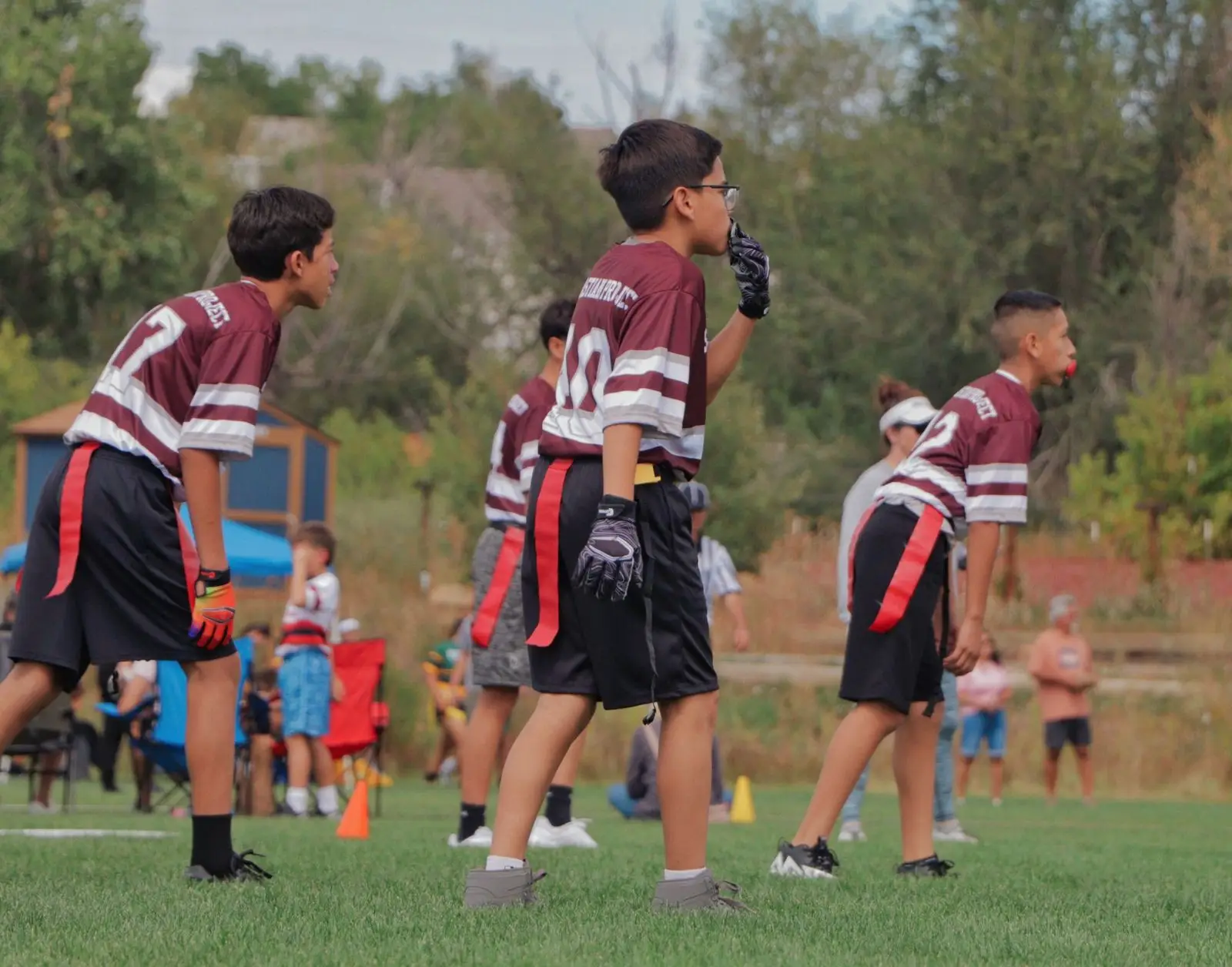
Ask most parents why they want their child in an after-school sports program and you’ll hear the obvious answers: exercise, fresh air, getting off screens. Those benefits are real. But the research on what structured sports programs actually do to student outcomes tells a far more interesting story — one that every school leader making program decisions should know.
The Academic Connection Is Real
A 2023 meta-analysis of 47 studies found that students who participated in structured after-school sports programs showed an average 0.3 standard deviation improvement in academic achievement — equivalent to roughly three additional months of learning per year. The effect was largest for students from low-income households and strongest in math and reading comprehension.
Why? The leading theory is what researchers call “executive function transfer.” Sports require players to hold rules in working memory, inhibit impulsive decisions, and shift attention between multiple players and situations simultaneously. These are the same cognitive skills that drive academic performance — and they improve with practice regardless of where that practice happens.
Social-Emotional Learning You Can’t Fake
SEL curricula are valuable, but there’s something sports does that a worksheet can’t: it puts students in genuine high-stakes social situations where the skills they’re learning actually matter in the moment.
When a student has to manage their frustration after a bad call, encourage a teammate who just missed a shot, or communicate quickly under pressure, they’re not practicing SEL — they’re doing it. The emotional regulation skills built through competitive play transfer directly to classroom behavior, conflict resolution, and peer relationships.
Schools in Kodely’s network that added structured sports programming reported a 22% reduction in behavioral referrals among participating students over a single semester. That’s not a coincidence.
The Attendance Effect
Chronic absenteeism — missing 10% or more of school days — is one of the most damaging predictors of academic failure. And one of the most consistent findings in after-school program research is that students who participate in sports programs have significantly better school-day attendance.
The mechanism is straightforward: when students have something they’re genuinely looking forward to after school — a game, a practice, a team that expects them — they’re more likely to show up for school in the first place. Belonging to a team creates accountability that no policy can replicate.
Choosing the Right Sports Program for Your School
Not every sports program delivers these results. The research consistently shows that outcomes are strongest when programs have:
- Trained coaches with SEL awareness — not just sport-specific skills
- Structured reflection time — even 5 minutes post-practice for students to process what happened
- Inclusive selection — programs open to all students, not just those who already excel
- Consistent scheduling — at least 2 sessions per week across a full semester
Funding After-School Sports
The most common funding sources for after-school sports at Kodely partner schools include ELOP grants (California), 21st CCLC funds, and Title IV-A. Sports programming qualifies under physical wellness and social-emotional development goals in most grant frameworks.
Kodely’s sports enrichment programs are currently offered in soccer, basketball, and multi-sport formats, designed for grades K–8. Contact our team to learn which programs are available in your district.
K–8All Grade Levels
10+Program Tracks