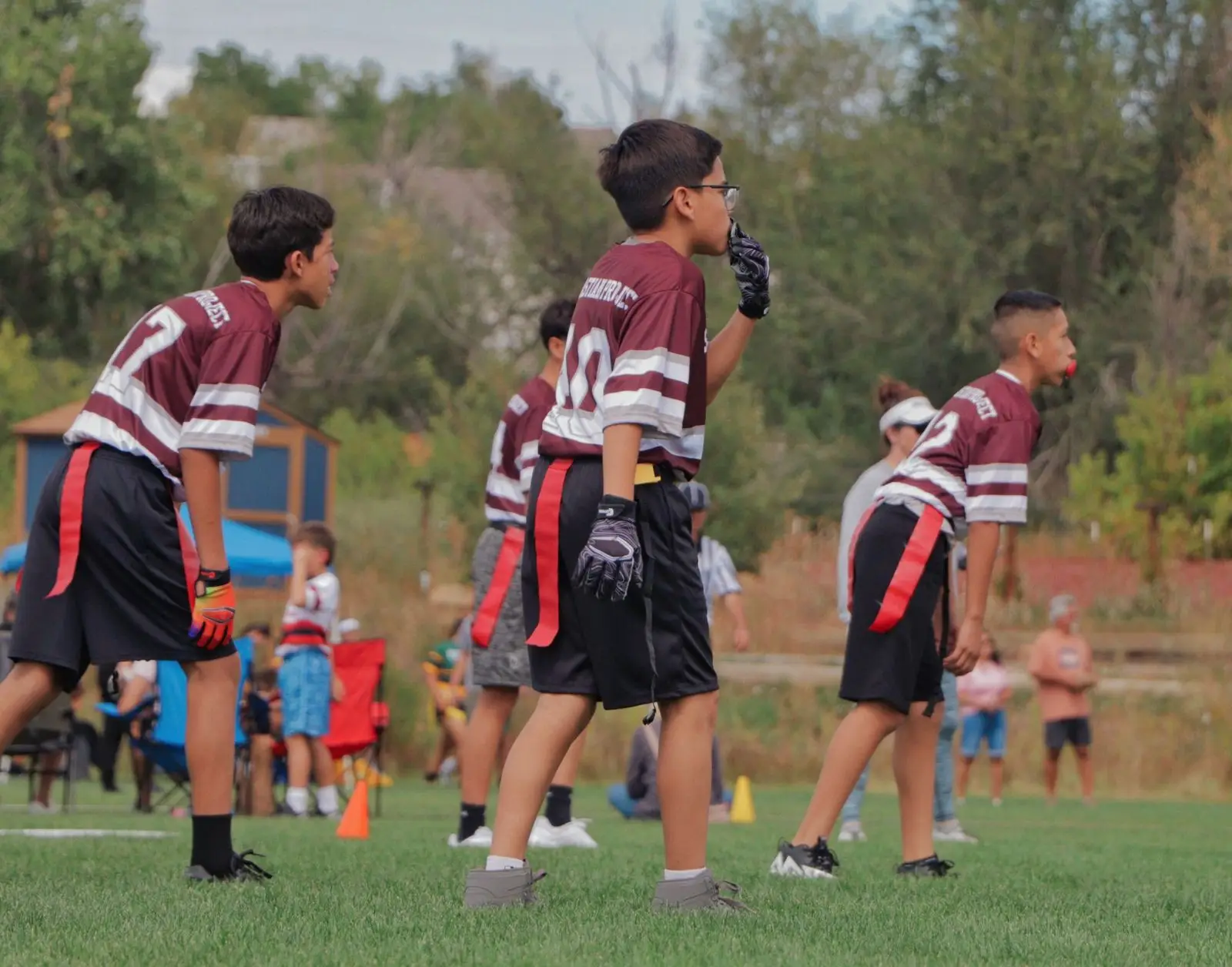
If your child struggles to sit still, stay focused, or keep up in class, you’ve probably heard plenty of suggestions: tutoring, reading programs, homework help. What you may not have heard is that after-school sports programs benefits extend well beyond fitness — and for some kids, a structured soccer or basketball program three afternoons a week does more for their classroom performance than an extra hour of academic intervention ever could. That’s not a casual observation. It’s what a growing body of research is showing, and it’s worth understanding why.
The Link Between Physical Activity and Brain Function
Exercise changes the brain in ways that directly affect learning. Aerobic activity increases blood flow to the prefrontal cortex — the region responsible for planning, impulse control, working memory, and attention. These are the same functions that underlie what researchers call executive function, and they’re precisely what struggling students tend to lack.
A 2013 study published in Health Psychology found that children who participated in regular vigorous physical activity showed measurable improvements in cognitive inhibition — the ability to stop an impulse and think before acting. A 2019 meta-analysis in British Journal of Sports Medicine reviewed 116 studies and concluded that acute and chronic physical activity significantly improved cognitive performance in children aged 4 to 18, with the strongest effects seen in executive function tasks.
This isn’t about burning off energy so kids can sit down afterward. The structural changes in brain chemistry from consistent aerobic activity are cumulative. Children who exercise regularly several times a week develop stronger neural pathways in the regions that govern self-regulation — and self-regulation is the foundation of classroom behavior, academic persistence, and the ability to recover from frustration.
What Team Sports Add That Solo Exercise Does Not
Running laps is aerobic exercise. So is basketball. But they are not the same intervention. Structured team sports include a set of demands that solo physical activity doesn’t, and those demands map directly onto the skills kids need in school.
Real-Time Decision Making Under Pressure
In a basketball game, a player has seconds — sometimes less — to read the court, anticipate defenders, choose a pass or a shot, and execute. In soccer, the same rapid processing happens continuously across a 60-minute match. This isn’t recreation. It’s intensive training in cognitive flexibility, rapid working memory retrieval, and consequential decision-making. These are not abstract academic skills. They are the same skills required to work through a multi-step math problem, manage competing demands during a test, or adjust a writing approach mid-paragraph.
Emotional Regulation in High-Stakes Situations
Team sports put children in situations where frustration, disappointment, and interpersonal conflict are unavoidable. A missed shot in front of teammates. A coach’s correction in the middle of a game. A disagreement over strategy. Kids who play team sports regularly get dozens of repetitions of experiencing these moments and recovering from them — with adult coaching and peer accountability built in. Research from the Search Institute identifies this kind of structured adversity, managed with adult support, as a core mechanism for developing social-emotional resilience in children aged 6 to 14.
Belonging and Buy-In
For students who feel disconnected from school, sports teams often provide the first place where they feel genuinely valued. That sense of belonging has real consequences for attendance. A 2016 study in the Journal of School Health found that students who participated in organized extracurricular activities — including sports — had chronic absenteeism rates roughly 40 percent lower than non-participants, even after controlling for socioeconomic variables. When a child knows their teammates depend on them to show up, they show up. And when they show up to school for sports, they are present for learning.
Why Traditional Academic Interventions Fall Short for Some Kids
Tutoring and academic support programs work well for students who are motivated by academic content, who have stable home environments, and who respond to verbal instruction and written feedback. But some students — particularly those dealing with chronic stress, attention difficulties, or a history of academic failure — disengage quickly from interventions that look and feel like more school.
The research on adverse childhood experiences and stress response systems helps explain this. Kids who carry chronic stress into the classroom often have dysregulated cortisol levels, which impair working memory and attention directly. An academic intervention that adds more cognitive demand without addressing the underlying dysregulation can be counterproductive. Physical activity, and team sports specifically, is one of the few evidence-based tools that directly regulates the stress response — lowering cortisol, increasing dopamine and serotonin, and creating a neurological state that is actually conducive to learning.
For these children, sports enrichment is not a reward or a break from serious support. It is the serious support.
What to Look for in a Quality After-School Sports Program
Not every after-school sports program produces these outcomes. The research is specific about what matters.
Structured Coaching With Developmental Expectations
Programs where adults simply supervise free play do not replicate the cognitive and social demands of structured team sports. Look for programs where coaches set explicit behavioral expectations, give feedback on effort and decision-making — not just skill execution — and build skill progressions across a season or program year.
Consistent Participation Over Time
The neurological benefits of aerobic activity are cumulative. Dropping in once a week for a few weeks is not enough. Programs that meet three or more times per week and run for at least eight to ten consecutive weeks are far more likely to produce measurable changes in behavior and executive function.
Integration of Social-Emotional Language
The most effective programs explicitly name what’s happening emotionally and socially, not just athletically. When a coach says, “That was a hard moment when you turned it over — how did you reset?” they are teaching emotional regulation vocabulary alongside athletic skill. This is not soft programming. It is the mechanism that makes sports translate into classroom behavior change.
At Kodely, our after-school sports programs — including soccer and basketball — are built around these principles. Our coaches are trained to make the developmental work explicit, and our programs run on consistent weekly schedules designed to produce the cumulative effects the research identifies. We work primarily in Title I schools, where access to quality enrichment is most limited and the need is highest.
What Parents Can Do With This Information
If your child is struggling academically and hasn’t responded to tutoring or reading support, ask their school whether structured after-school sports enrichment is available. Ask specifically whether it meets at least three times per week and whether there is trained adult coaching — not supervision. If your child’s school partners with an enrichment provider, find out whether sports programming is included.
Pay attention to the signs that sports participation is producing academic transfer: improved attendance, less conflict with teachers about staying on task, greater willingness to attempt difficult work. These are not coincidences. They are the outcomes the research predicts, and they are real.
The framing of sports as recreation and academics as serious has always been a false distinction. For many kids, particularly those who learn through movement and social engagement, structured team sports are the most direct path to the executive function and emotional regulation their classrooms require.