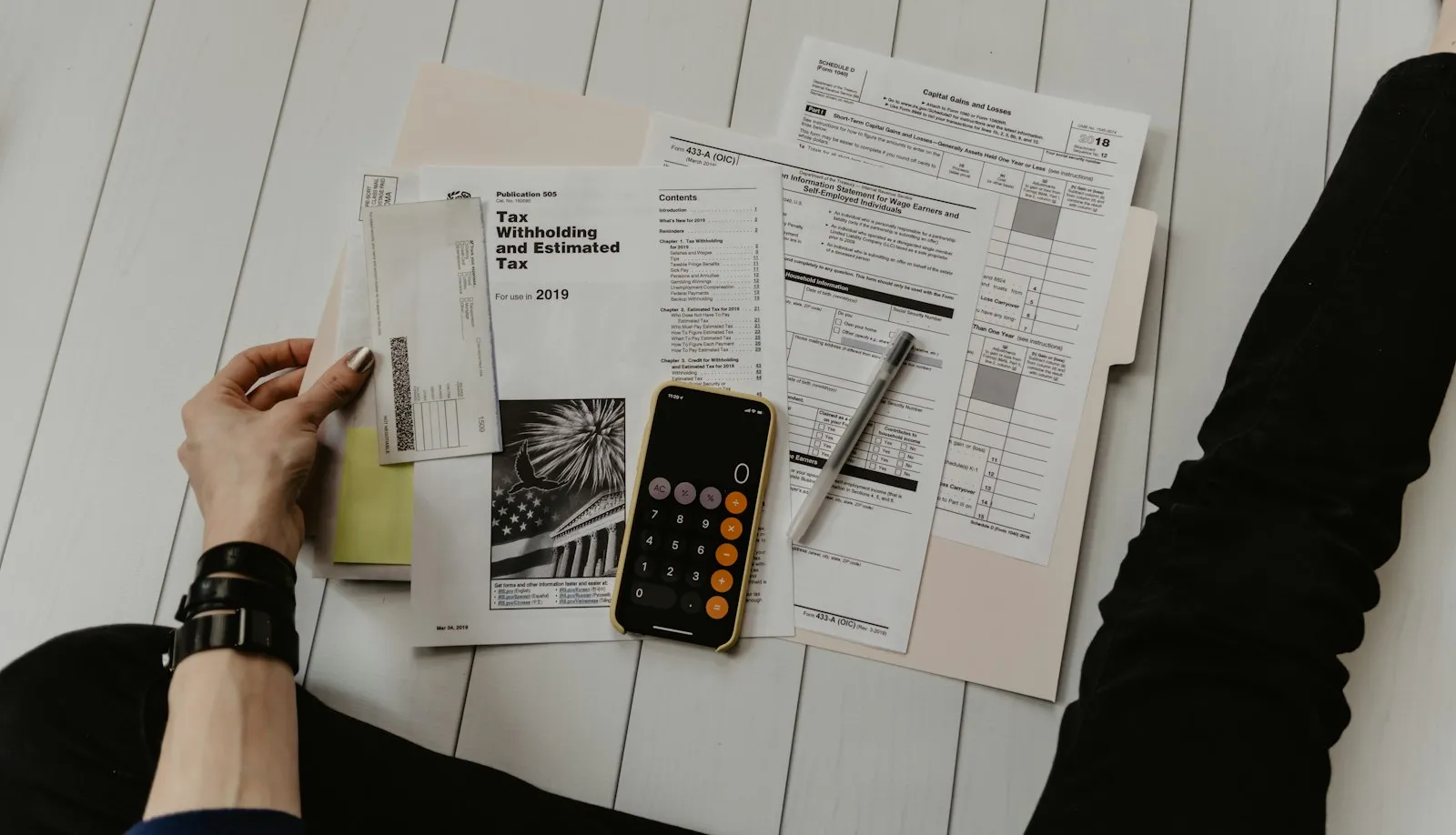
Audit prep is a paperwork sport. The best coordinators lose zero sleep because they have the receipts.
8 California ELO-P Compliance Trip Wires
(What coordinators miss in 2026-27 — save this list before September.)
The California ELO-P audit does not care about your intentions. It cares about paperwork, math, and procurement. The CDE Fiscal Monitoring Unit’s Fiscal Responsibilities of ELOP 2025-26 Program Instrument (released May 2025) is the exact document your auditor is working from — five test procedures, each with a specific evidence request list. Every trip wire below maps to one of those procedures. Fix these eight things this month and your annual K-12 audit gets boring in the best possible way.
1. The minimum-day math trap on shortened Fridays
ELO-P requires a combined 9-hour instructional-plus-expanded-learning day, including recess and meals (Ed Code §46120(b)(4)(A)). On a minimum day where school ends at 11:45 AM, the ELO-P block must extend to hit 540 minutes combined. Every district that keeps its normal 3-6 PM after-school schedule on minimum days is running a shortfall day. The penalty formula: 0.0048 × annual ELO-P apportionment per shortfall day (0.0049 for charters). Ten missed minimum days on a $2M allocation is $96,000.
2. The 30 non-schoolday count that quietly comes up short
§46120(b)(4)(B)(i) requires at least 30 nonschooldays of programming at 9 hours each — inclusive of extended school year days and Saturdays. Districts routinely schedule 15-20 nonschooldays and hope to catch up in summer. Summer arrives and the count is still short. Green flag on your calendar: 30+ nonschooldays plotted before the first day of school, with vendor staffing committed in the contract.
3. TK/K ratio drift below 10:1 in mixed-age groupings
§46120(b)(5)(D) is unambiguous — programs serving TK or K pupils maintain 10:1 ratio. The 20:1 grades 1-6 ratio (from §8483.4(a) ASES statute, applied to ELO-P by CDE program guidance) does not override the 10:1 when mixed groups happen. Rule of thumb: if any TK/K child is in the room, the whole room runs at 10:1. Vendors who staff a mixed K-3 group at 15:1 are exposing your site.
4. Time-and-effort records generated from budget estimates
ELOP 01 in the CDE Fiscal Instrument explicitly states budget estimates do not qualify as time-and-effort support. Districts routinely certify staff time from planned allocations instead of actual hours. Fix: adopt a written time-and-effort policy, run Personnel Activity Reports (PARs) or semiannual certifications for every ELO-P-funded employee, and keep signed duty statements on file.
5. Vendor contracts without a cost-or-price analysis
ELOP 04 requires cost-or-price analysis for every procurement over the simplified acquisition threshold, plus arm’s-length bargaining per Government Code §1090. Districts commonly extend a vendor informally at the end of Year 1 without re-running competitive procurement. Fix: keep the RFP file, the price analysis performed before receiving bids, and the evaluation matrix for every vendor over threshold.
6. Equipment over $500 not on the inventory
ELOP 05 requires historical inventory for every item at $500 or more per unit — description, ID, acquisition date and cost, funding source, location, disposition (Ed Code §35168, CSAM Procedure 410, 5 CCR §3946). Districts buy tablets, cameras, projectors, and physical-computing kits and forget to log them against the ELOP resource. Fix: quarterly inventory reconciliation tied to your general ledger.
7. Braided-fund invoicing that lump-sums across resource lines
Vendors that bill $12,000/month with no session-level breakdown make it impossible for your CBO to code cleanly across ELO-P, Prop 28 (Resource 6770), CCSPP, or Title I. Two audits will find it — one from ELO-P, one from whichever companion fund is affected. Fix: require session-level itemized invoicing at contract signature, with funding source per line item.
8. An ELO-P program plan older than three years — or never board-approved
The CDE Fiscal Instrument (ELOP 03) requires a current, board-approved ELO-P plan posted to the LEA website, updated at least once every three years. The plan must include program goals, program content, outcome measures, and elements per §8482.3(g)(1). Districts commonly draft one at program launch and forget. Fix: put the plan on your annual board calendar and refresh formally on schedule.
The 5-minute readiness check
Before the next audit season starts, pull these five documents in one place. If you can produce all five in under 15 minutes, you are ready. If you cannot, you have work to do this month.
1. Chart of Accounts with ELOP resource codes labeled
2. Current board-approved ELO-P program plan (updated within 3 years, posted publicly)
3. Time-and-effort records (PARs or semiannual certifications) for every ELO-P-funded employee for the last two quarters
4. One vendor’s subcontractor agreement, price analysis, and last three months of itemized invoices
5. Equipment inventory showing every $500+ item purchased with ELO-P funds in the current fiscal year
If you have all five in a shared drive that your CBO, superintendent, and auditor could reach without a scavenger hunt, you have already beaten most California districts on audit readiness.
About Kodely
Kodely is a MWBE-certified K-8 STEM and arts enrichment provider serving 40+ California districts across ELO-P, Prop 28, CCSPP, and LREBG. We deliver school-day, afterschool, and non-schoolday coverage with itemized session-level invoicing coded to your specific resource lines, credentialed staff, and allowability memos included in every scope of work. If you want a second read on your 2026-27 ELO-P audit readiness — or your incumbent vendor’s paperwork exposure — we are happy to have a conversation.
Sources and further reading
- California Education Code §46120 — ELO-P — leginfo.legislature.ca.gov §46120
- California Education Code §8483.4 — ASES staffing ratio (applied to ELO-P) — leginfo.legislature.ca.gov §8483.4
- California Education Code §35168 — Property inventory — leginfo.legislature.ca.gov §35168
- California Government Code §1090 — Conflict of interest — leginfo.legislature.ca.gov GC §1090
- CDE — Fiscal Responsibilities of ELOP 2025-2026 Program Instrument (May 2025) — cde.ca.gov/ta/cr/documents/elop2526.docx
- CDE — ELOP Program Information — cde.ca.gov/ls/ex/elopinfo.asp
- CDE — ELO-P FAQs — cde.ca.gov/ls/ex/elofaq.asp
- California School Accounting Manual — cde.ca.gov/fg/ac/sa
- California Education Audit Appeals Panel — eaap.ca.gov
- Kodely — The ELO-P 9-Hour Compliance Trap — kodely.io/blog
- Kodely — ELOP Allowable Expenditures Checklist — kodely.io/blog
ELO-P Compliance Trip Wires — Frequently Asked Questions
What are the most common ELO-P audit findings?
The most common ELO-P audit findings are: (1) minimum-day shortfall days that break the 9-hour rule, (2) fewer than 30 non-schooldays scheduled, (3) staffing ratio violations in mixed TK/K groups, (4) time-and-effort records generated from budget estimates rather than actual hours, (5) vendor contracts lacking cost-or-price analysis, (6) equipment purchases not on inventory, (7) lump-sum vendor invoicing that lump-sums across resource lines, (8) an outdated or non-board-approved ELO-P plan.
What is the CDE Fiscal Responsibilities of ELOP Instrument?
The CDE Fiscal Responsibilities of ELOP 2025-26 Program Instrument (released May 2025) is the CDE Fiscal Monitoring Unit’s official audit tool covering five test procedures (ELOP 01-05), each with specific evidence request lists that auditors work from.
What is the ELO-P time-and-effort requirement?
ELOP 01 in the CDE Fiscal Instrument requires actual time-and-effort documentation (Personnel Activity Reports or semi-annual certifications) for every ELO-P-funded employee. Budget estimates do NOT qualify.
What is the equipment inventory threshold for ELO-P?
Effective January 1, 2026, items costing $1,500 or more per unit purchased with ELO-P funds must be tracked on the LEA equipment inventory under the updated EAAP K-12 Audit Guide. Prior threshold was $500.
Does an ELO-P plan need to be board-approved?
Yes. ELOP 03 requires a current, board-approved ELO-P plan posted publicly on the LEA website, updated at least once every three years. The plan must include program goals, content, outcome measures, and elements per Ed Code §8482.3(g)(1).
What is the ELO-P shortfall day penalty formula?
The penalty is 0.0048 × annual ELO-P apportionment per shortfall day (0.0049 for charters). On a $2M apportionment, 10 shortfall days = $96,000 in clawback.
Related reading from Kodely
- ELO-P 9-hour compliance and minimum-day math — The ELO-P 9-Hour Compliance Trap
- CCSPP community-partner RFP guide — The CCSPP Community-Partner RFP
- California afterschool vendor evaluation checklist — 9 Green Flags in a California Afterschool Vendor
About the author
Sri Akash Kalimili is the founder of Kodely, a MWBE-certified K-8 STEM and arts enrichment provider currently operating at 40+ California districts across ELO-P, Prop 28, CCSPP, and LREBG. Kodely delivers school-day, afterschool, and non-schoolday coverage under one roster, with itemized session-level invoicing coded to specific funding lanes and supplement-not-supplant memos included in every scope of work.
This post is a working operator’s checklist based on what we run daily at California district partners. It is not legal or fiscal advice. Every statute citation has been verified against primary sources (leginfo.legislature.ca.gov, CDE.ca.gov, EAAP.ca.gov). Always verify current law with your CBO and district counsel.