
In the face of rising chronic absenteeism and disengagement, many California schools are turning to weekend learning programs. These are effective re-engagement for students, recognizing them as programs that boost attendance.
Offering meaningful instruction, enrichment, and community-building on Saturdays, schools not only recover lost attendance (ADA) but also create new opportunities for student growth and connection.
If you’re an educator or administrator looking to energize your school community, use these five tips. They will help expand learning Saturday models that can help increase student participation. Academic motivation will help by boosting your ADA recovery efforts.
1. Academic Recovery & Homework Help Sessions
Saturday school doesn’t need to feel like a punishment. Schools across the state are seeing success by offering structured academic support on weekends. These sessions help students catch up on missed assignments, get extra help in key subjects, and rebuild confidence in their learning. In Long Beach, one elementary school launched a Saturday homework club that doubled as an ADA recovery strategy. Teachers reported that students who regularly attended came back on Mondays more prepared and focused, leading to stronger performance throughout the week.
2. Themed Enrichment Days (STEM, Arts, and Beyond)
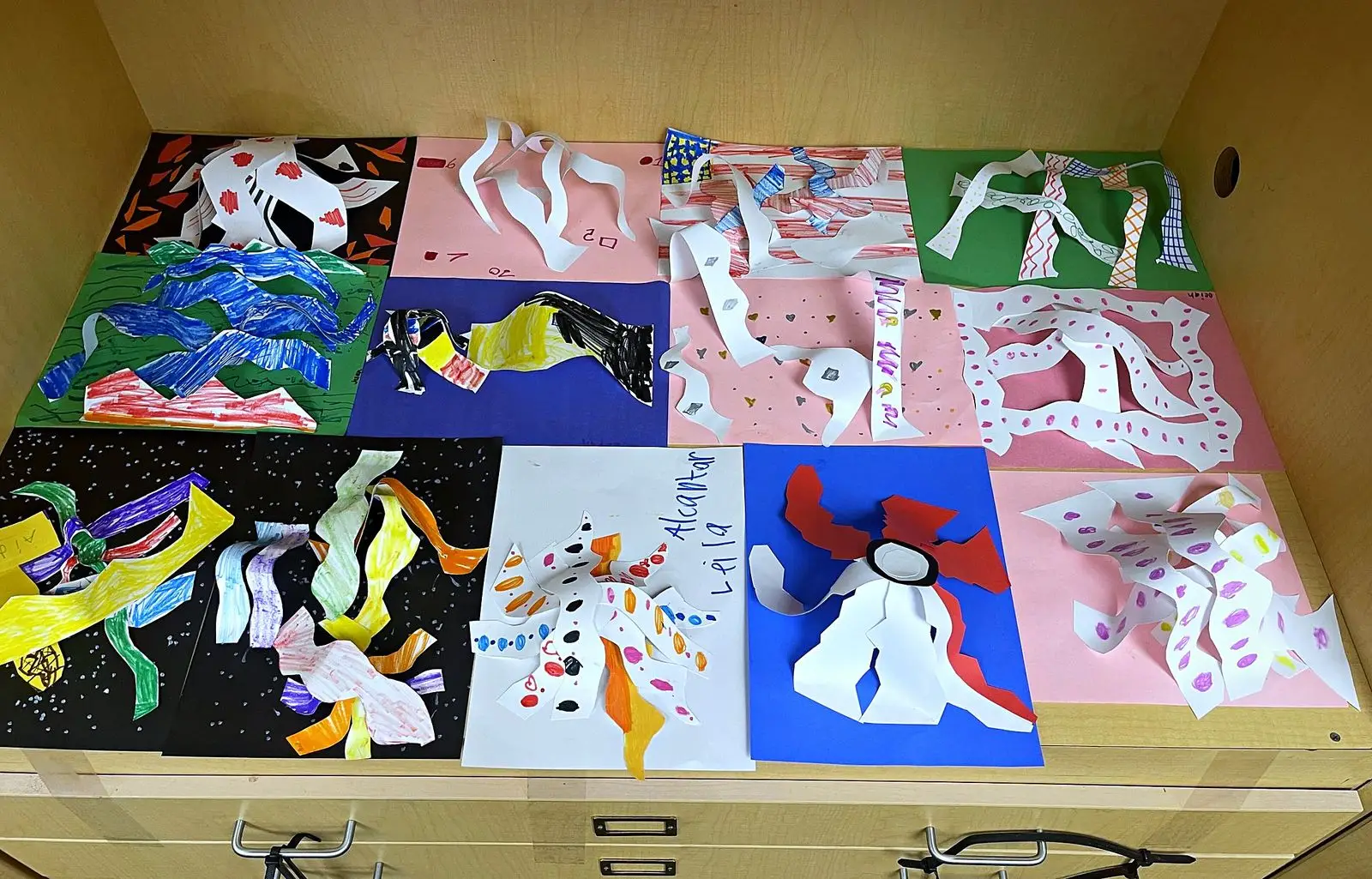
Weekend learning programs that focus on engaging themes—such as science fairs, coding camps, or music and arts workshops—draw in students who might not typically be motivated by traditional academics. A K–8 school in San Diego County implemented a monthly “STEAM Saturday,” offering rotating activities in robotics, painting, and environmental science. Not only did this encourage better weekend attendance, but it also helped students build lasting interest in new subjects and boosted their weekday engagement.
3. Sports & Movement-Based Programs
Physical activity is a powerful tool for student re-engagement. Some schools have created expanded learning Saturday models centered around sports, dance, and fitness. In Oakland, a district piloted “Sports Saturdays,” where students participated in structured sports clinics alongside peer mentorship. Teachers noted improved classroom behavior and a sense of community among students who previously struggled with attendance and discipline.
4. Family Engagement Saturdays
One effective way to build trust and consistency in attendance is to include families in your weekend learning programs. Hosting literacy days, bilingual story hours, or parent-student STEM challenges strengthens the home-school connection. For example, a Central Valley elementary school saw a 20% improvement in regular attendance after launching “Family Learning Saturdays.” These events helped families see school as a positive space and gave students added encouragement to attend throughout the week.
5. Leadership & Social-Emotional Learning Workshops
Weekend programs can also provide space for SEL (social-emotional learning), leadership development, and restorative practices. In Los Angeles, a middle school hosted Saturday workshops that focused on team-building, communication, and problem-solving. Students who attended showed noticeable improvements in peer relationships and self-confidence. These workshops not only addressed behavior concerns but also improved attendance by giving students a reason to feel valued and included.
Re-Engagement Starts on the Weekend
Weekend learning programs offer more than just a way to recover ADA. They’re a catalyst for meaningful connection, academic growth, and student empowerment. Whether you’re looking to launch your first Saturday academy or expand existing efforts, these models provide flexible, scalable options that meet both student and school needs.
By investing in expanded learning Saturday models and thoughtful re-engagement strategies for students, schools can transform weekends into a space of opportunity, connection, and renewed excitement for learning.